

How to Find Your Interior Design Style When You Can't Quite Name It
You know what you like. You just can't explain it. Here's why that's actually a very good place to start.
We hear a version of the same sentence in almost every first conversation with a homeowner: "I don't really have a style. I just know what I like when I see it."
It's usually said like a confession, like it's a gap that needs an apology before the conversation can go any further.
It isn't. In our experience, it's the most useful sentence in the entire conversation.
"I don't know my style" is almost never true.
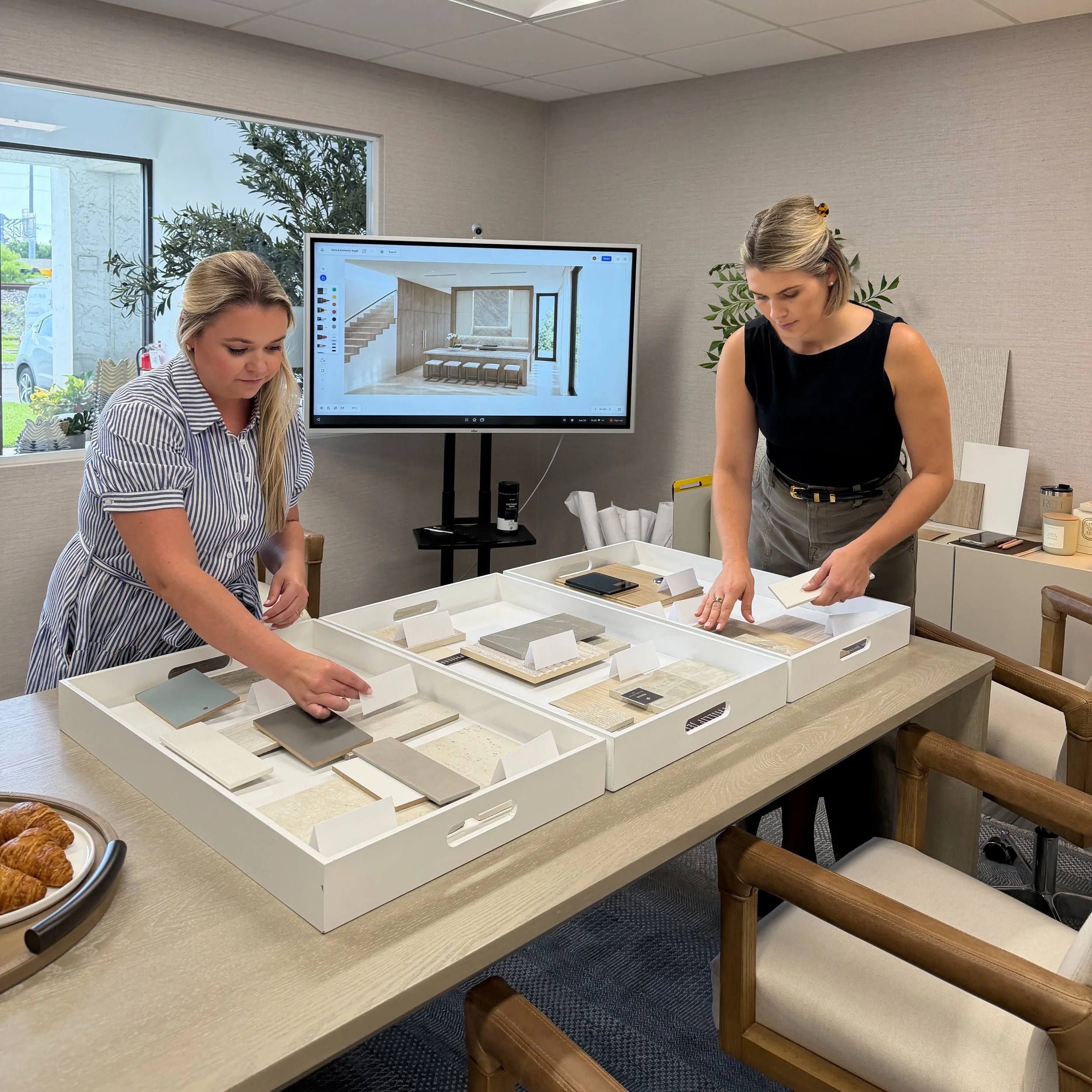
What's actually true is that most people haven't had a reason to put language around their style yet. Style is built quietly, over years, out of a thousand small reactions: the hotel lobby that made you exhale, the friend's kitchen you didn't want to leave, the chair you keep coming back to online and never buy. None of that is random. It's simply never been asked about directly.
Our design team's job in that first conversation isn't to hand someone a style label. It's to notice that the taste already exists, just living in reactions instead of words. The absence of a label isn't the absence of a style, and treating those as the same thing is a common starting point for a home that ends up beautiful but unfamiliar.
Why putting your style into words isn’t always easy
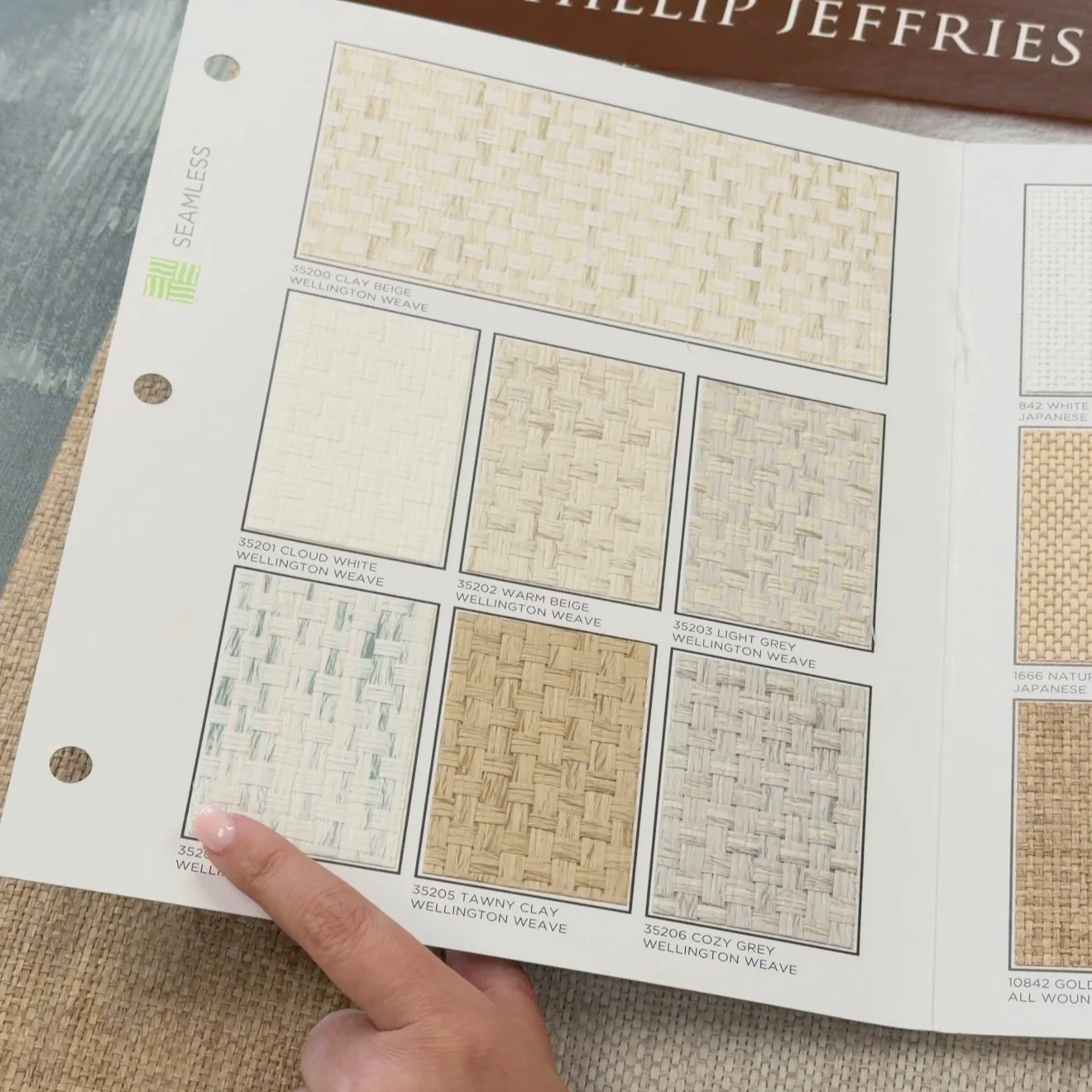
If you can't name your style, the instinct is to borrow someone else's: a showroom look, a friend's designer, a Pinterest board that felt safe because it was popular, not because it was yours. It photographs well. It doesn't always feel like home.
Our team has walked into more than one beautifully finished house that looked like a hotel, every surface correct, nothing wrong with it, and the owner standing in the doorway saying some version of, "It's gorgeous. It just doesn't feel like us." That gap between gorgeous and us usually traces back to the same thing: the process started with what looked good before it understood what mattered.
We begin the other way. Understanding comes first, because it's what makes the beautiful part actually land.
This is why our earliest conversations aren't about choosing between traditional, modern, transitional, or coastal. We want to understand how you live first: what you gravitate toward, what you want to preserve, what feels missing, and what you want this next version of home to make possible.
What actually reveals a style, if not a label.
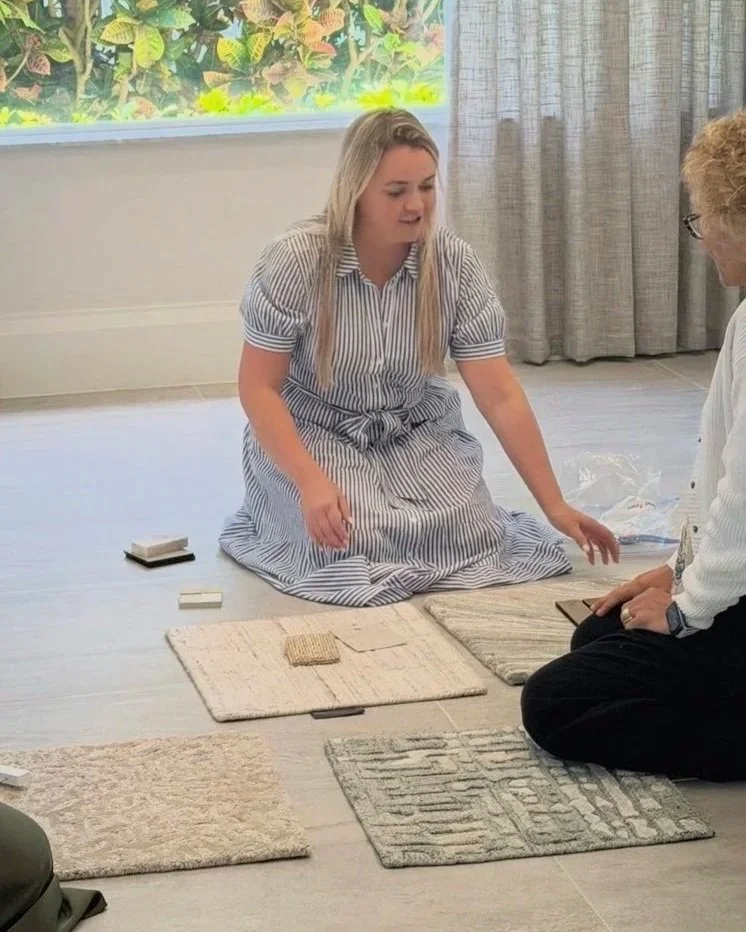
Style shows up in behavior long before it shows up in words. A few places our designers look, in almost every first conversation:
How you actually live. The room everyone naturally gathers in. Whether dinner means two people at the kitchen island or twelve around a table. Whether home is where you entertain, retreat, work, recharge, or all of the above. The way you live tells us more than a style quiz ever could.
What you've kept, moved, or refused to get rid of. The piece that doesn't "match" anything but has followed you through three homes. That's not clutter. That's a clue.
How you actually want to feel walking in the door. Not "elegant" or "cozy." Those are style words, borrowed from someone else's vocabulary. We mean the specific feeling: unwound, impressive, quiet, ready to entertain, finally caught up. The feeling is the brief. The finishes are how we get there.
What you're drawn to and can't explain. This is the one people dismiss fastest ("I just like it, I don't know why"), and it's usually the most honest signal in the room. You don't need to know why. That's what a design team is for: noticing the pattern across enough of those reactions and translating it into a space.
What this means for how you should work with a design team.
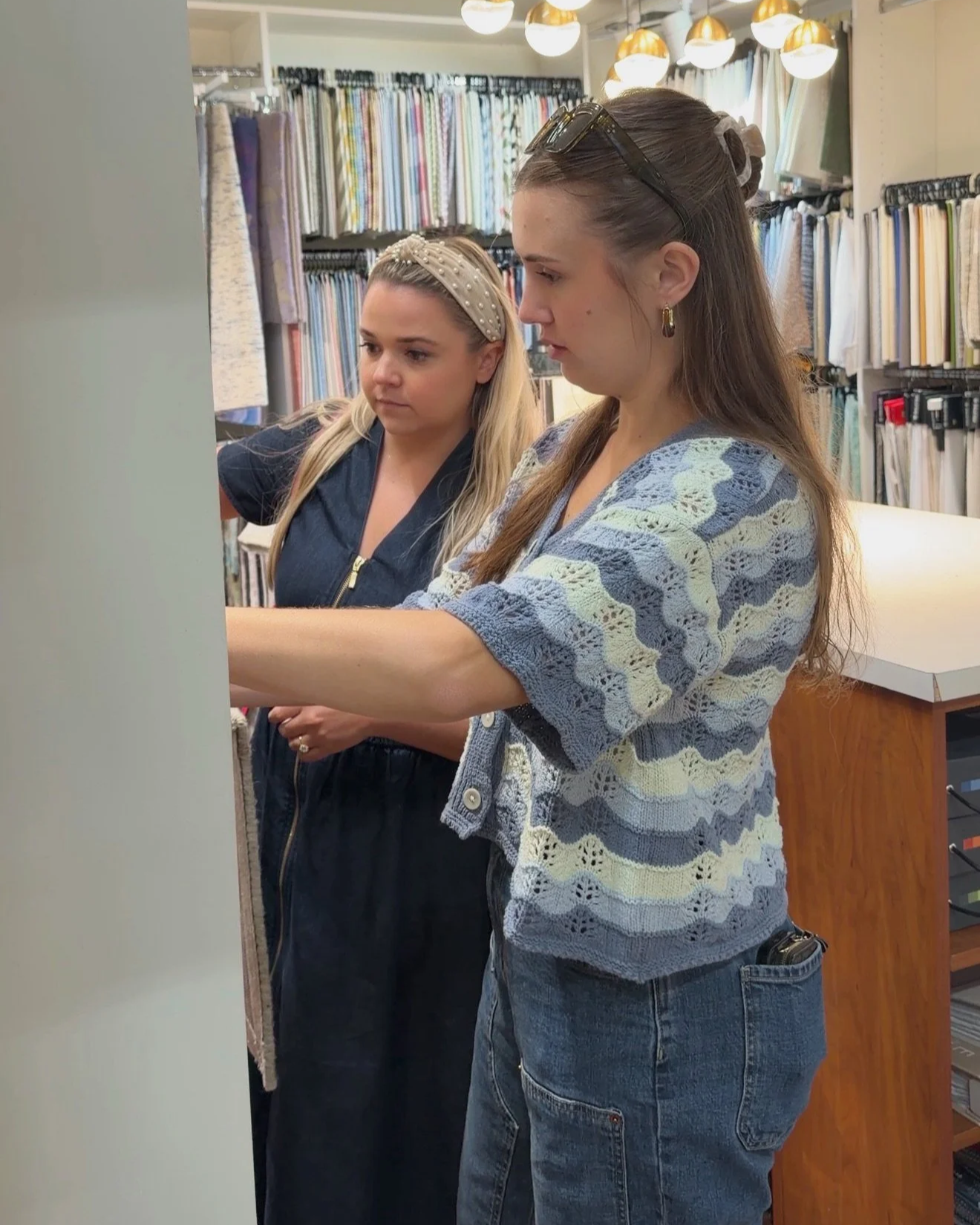
If you're heading into a design project (new build, renovation, or a home that's stopped feeling like yours), the most useful thing you can bring isn't a fully formed style. It's honesty about your reactions. Save the images that made you feel something, even ones you can't justify. Say the true thing ("I don't want it to feel like a showroom") instead of the safe thing ("I want it timeless"). Look for a team that asks questions instead of handing you a lookbook to react to.
A good design team isn't waiting for you to arrive with the language already sorted out. That's the part we're there to do with you: listening for what you say, and for what you haven't quite found the words for yet, and building a space around both.
You don't need to arrive knowing your style. You need to know what feels right, and have a design team experienced enough to understand what those instincts are telling them.
Because the goal was never to give your style a name. It's to create a home that feels unmistakably yours.
If you've ever stood in a beautiful room that didn't feel like yours, you already understand the difference this makes.
Let's talk about what your space is telling us:
Contact us and we'll walk through your specific situation, your timeline, and your goals.
Explore our Interior Design Services and Luxury Home Staging Services to see examples of each in action.