

What Makes a Luxury Home Feel Like Home? Warmth Without Clutter
Luxury and warmth are often treated as if they work against each other. A well-appointed home can feel untouchable; a warm one can feel overstuffed. But the two aren't actually in tension — the tension only shows up when a room is filled instead of edited. A home that truly feels like home is built on texture, light, and restraint, not on the number of objects in it. Understanding that distinction is the difference between a house that photographs beautifully and one that's genuinely comfortable to live in.
Warmth in a luxury home comes from texture, light, and intention — not from more objects. Clutter happens when a space is full; warmth happens when a space is considered. The two get confused because both can look "layered" at a glance, but one is built with restraint and the other is built without it.
What Actually Creates Warmth
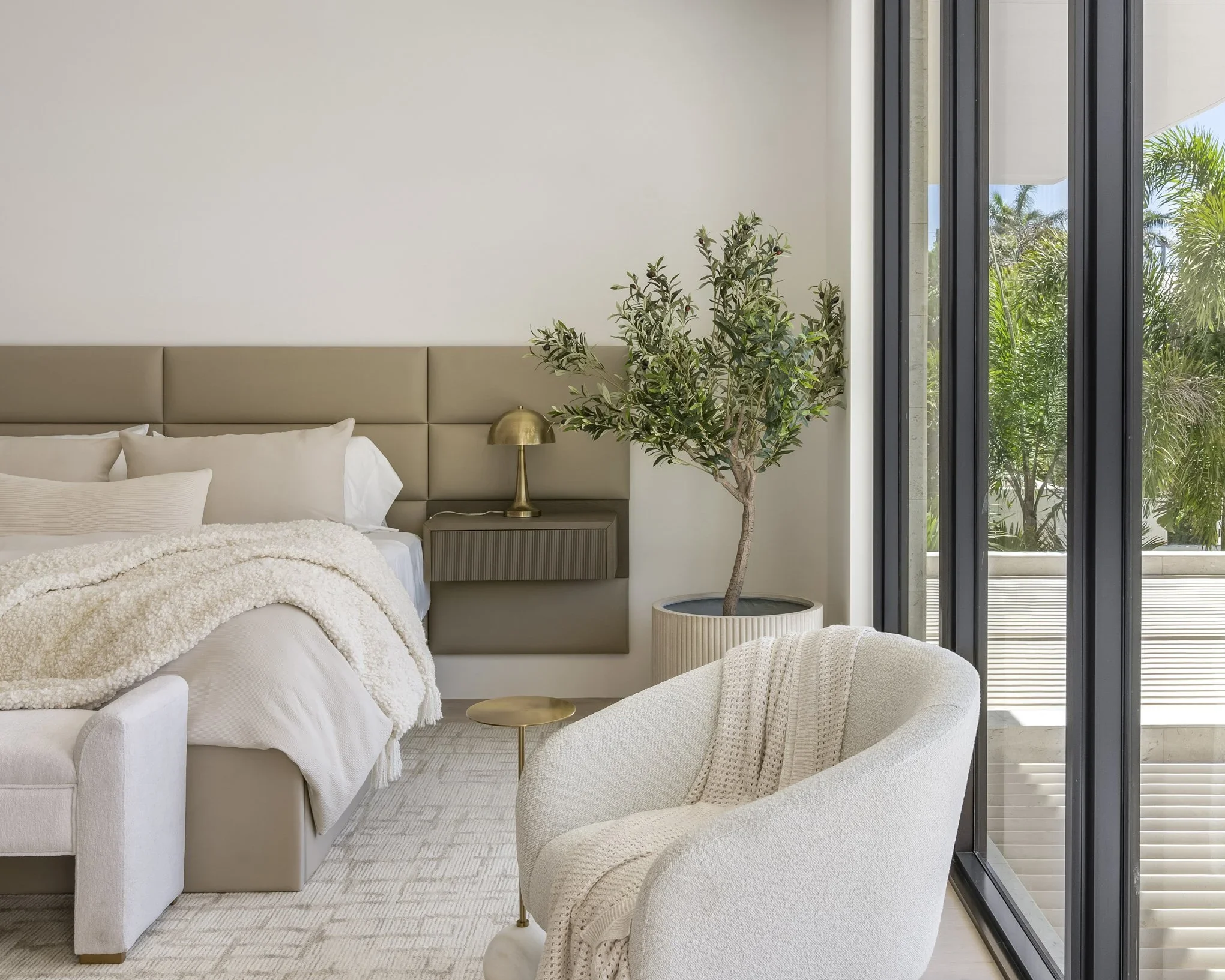
Warmth is sensory before it's visual. It's the wool throw you reach for without thinking, the wood grain that's a little uneven, the brass hardware that's already started to patina. It's lighting at three different heights instead of one flat source overhead. It's a sofa scaled generously enough that a body can actually sink into it. None of this requires more stuff — it requires the right materials, doing the right job, in the right proportion to the room around them.
What Creates Clutter?
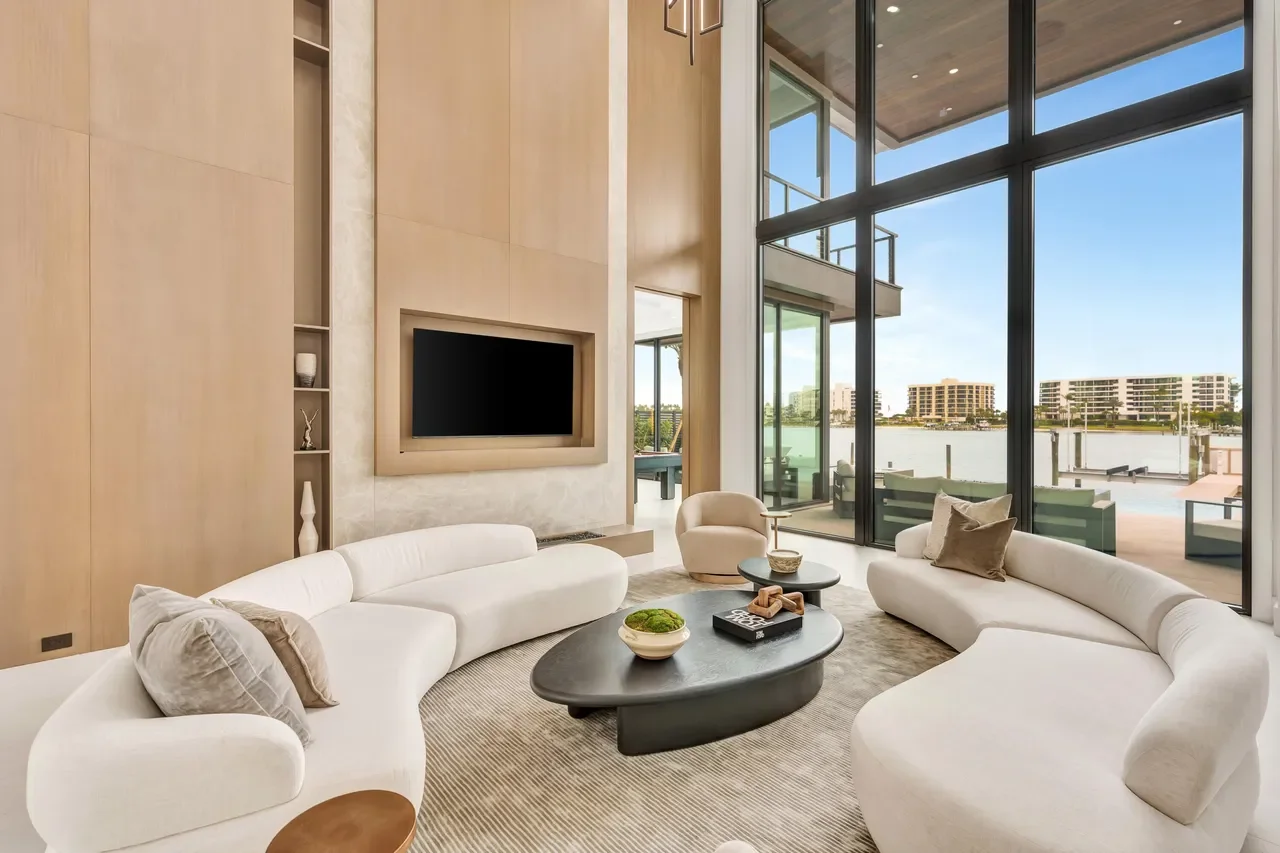
Clutter is rarely intentional — it's accumulation without editing. It's the small decorative object bought because it was pretty, not because it belonged. It's three focal points competing in one sightline. It's surfaces filled edge to edge because empty space felt unfinished, when in fact that empty space was doing real work. Clutter isn't a style; it's the absence of a decision.
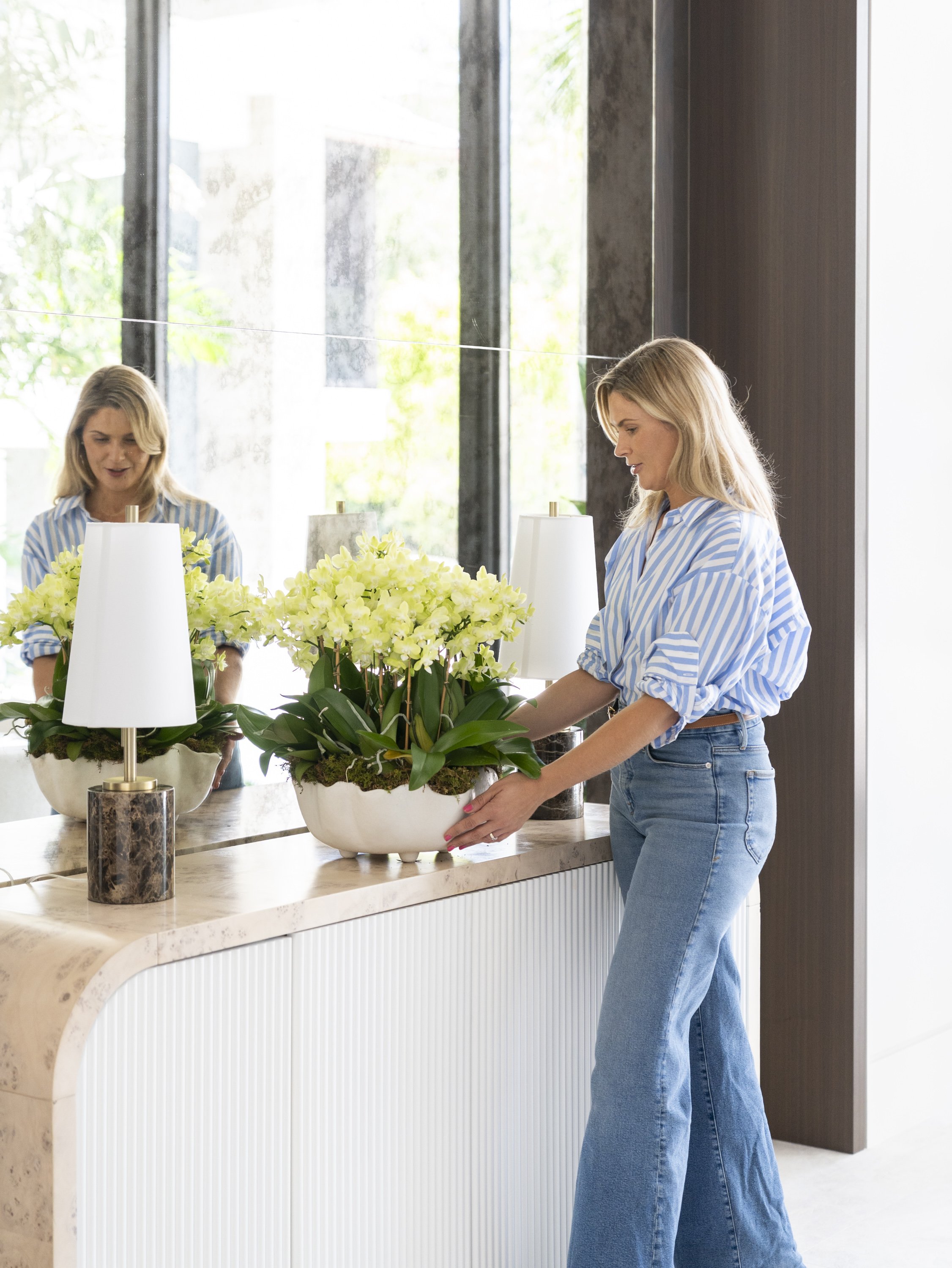
This is where we spend most of our actual design time — not adding, but choosing what earns its place. A room doesn't need twelve objects to feel finished; it needs three or four that are doing something specific: holding warmth, catching light, giving the eye somewhere to land. Curation, not accumulation, is what separates a home that feels rich from a home that just looks full.
How REH Approaches Warmth
Because we come to every room thinking about both restraint and warmth at the same time, our clients don't end up with a space that's beautifully minimal but cold, or layered but overwhelming. The goal is never "more" or "less" — it's precision. A home that feels like home is one where every piece has a reason to be there, and nothing is standing in the way of the people who actually live in it.
Want Your Home to Feel Warm, Not Full?
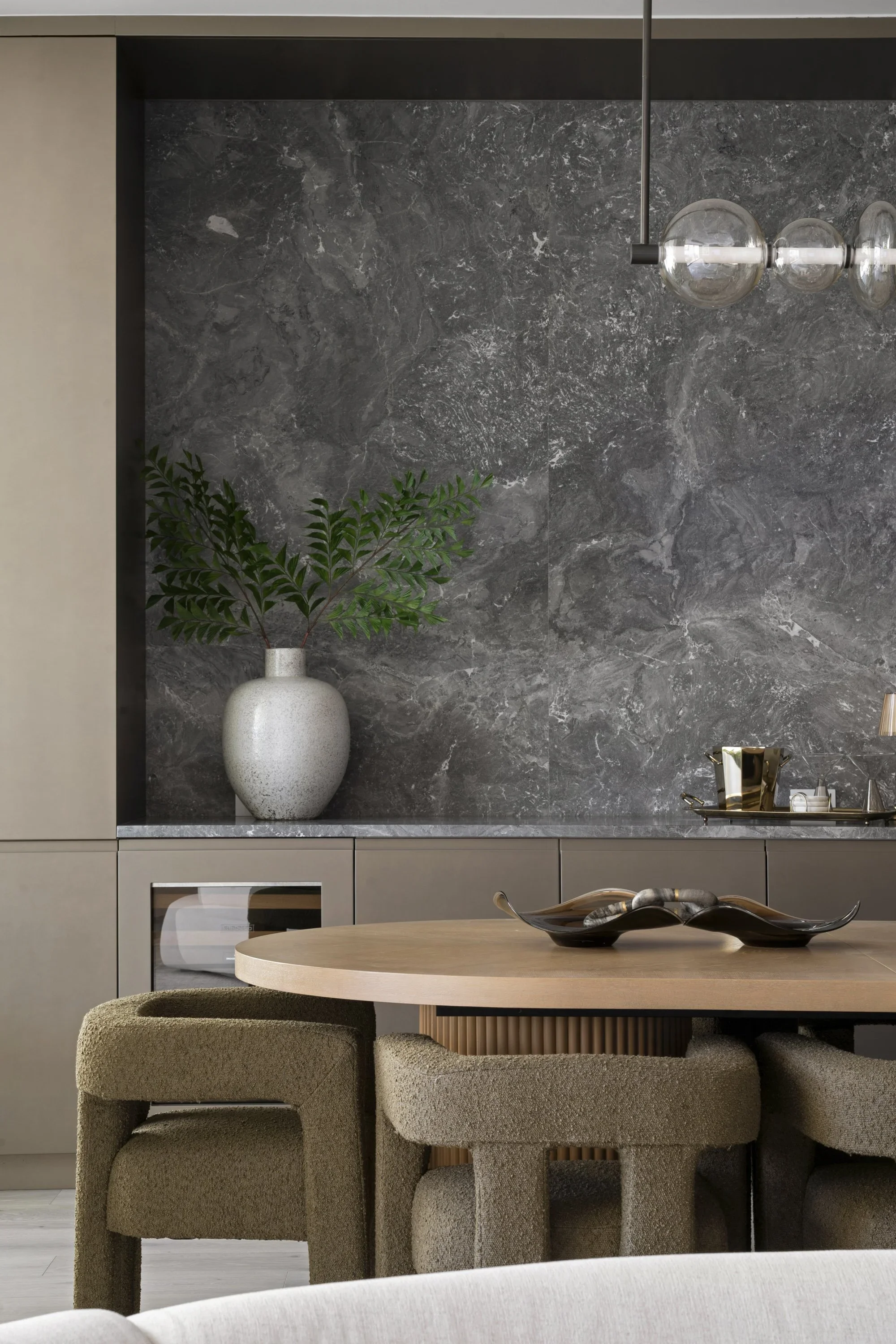
If you're staring at a beautiful room that still doesn't feel like yours — or trying to avoid one that will — I'd love to help you find the line between the two.
Reach out and let's talk through your space.