

Why Staging Costs Less Than a Price Reduction
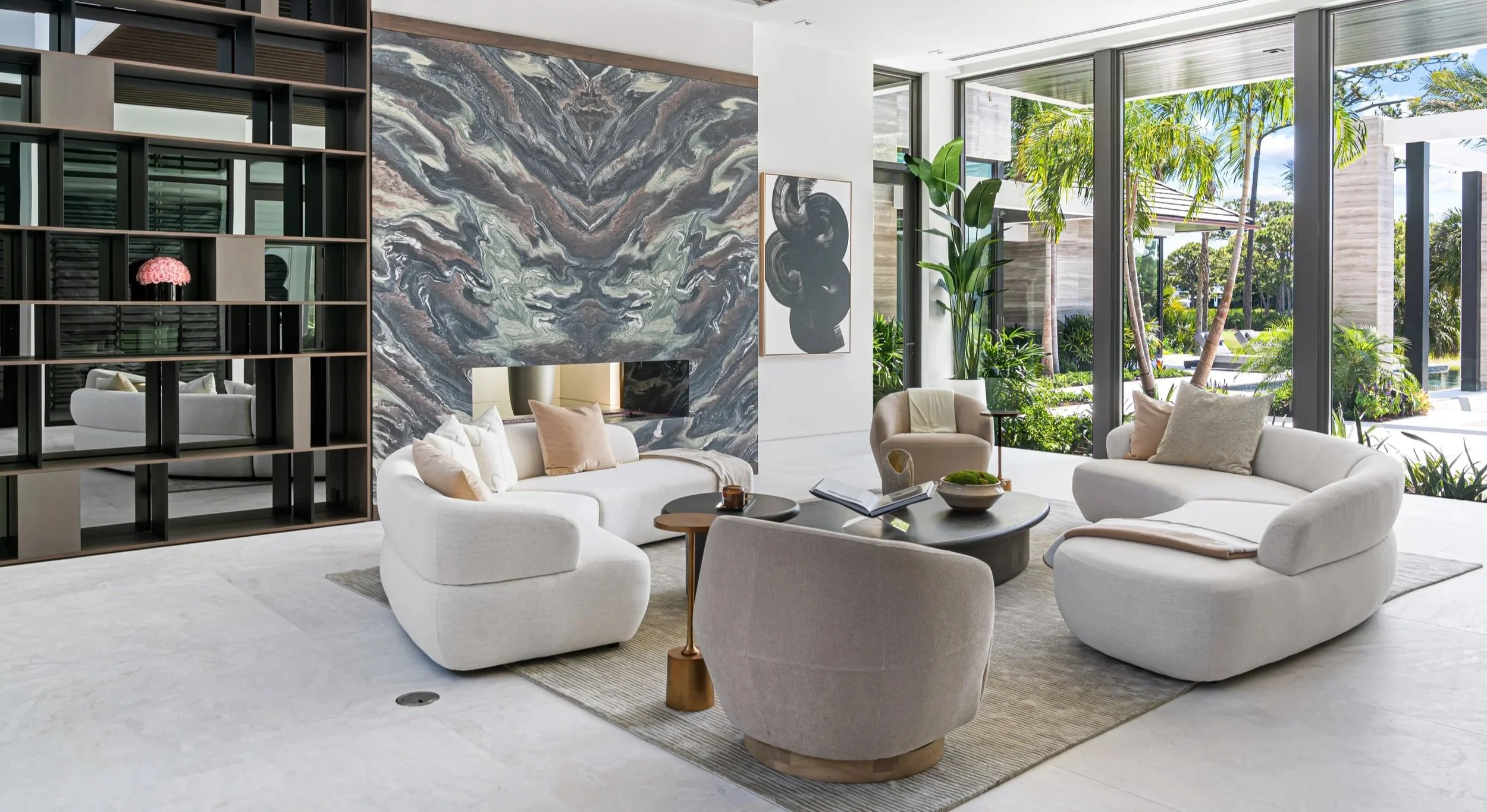
A seller weighing whether to stage almost always frames it the same way: staging costs money, and not staging costs nothing. It's an easy comparison to make — and it's the wrong one.
Because the real choice isn't staging versus free. It's staging versus the first price reduction.
Staging Isn't Decoration. It's Strategy.
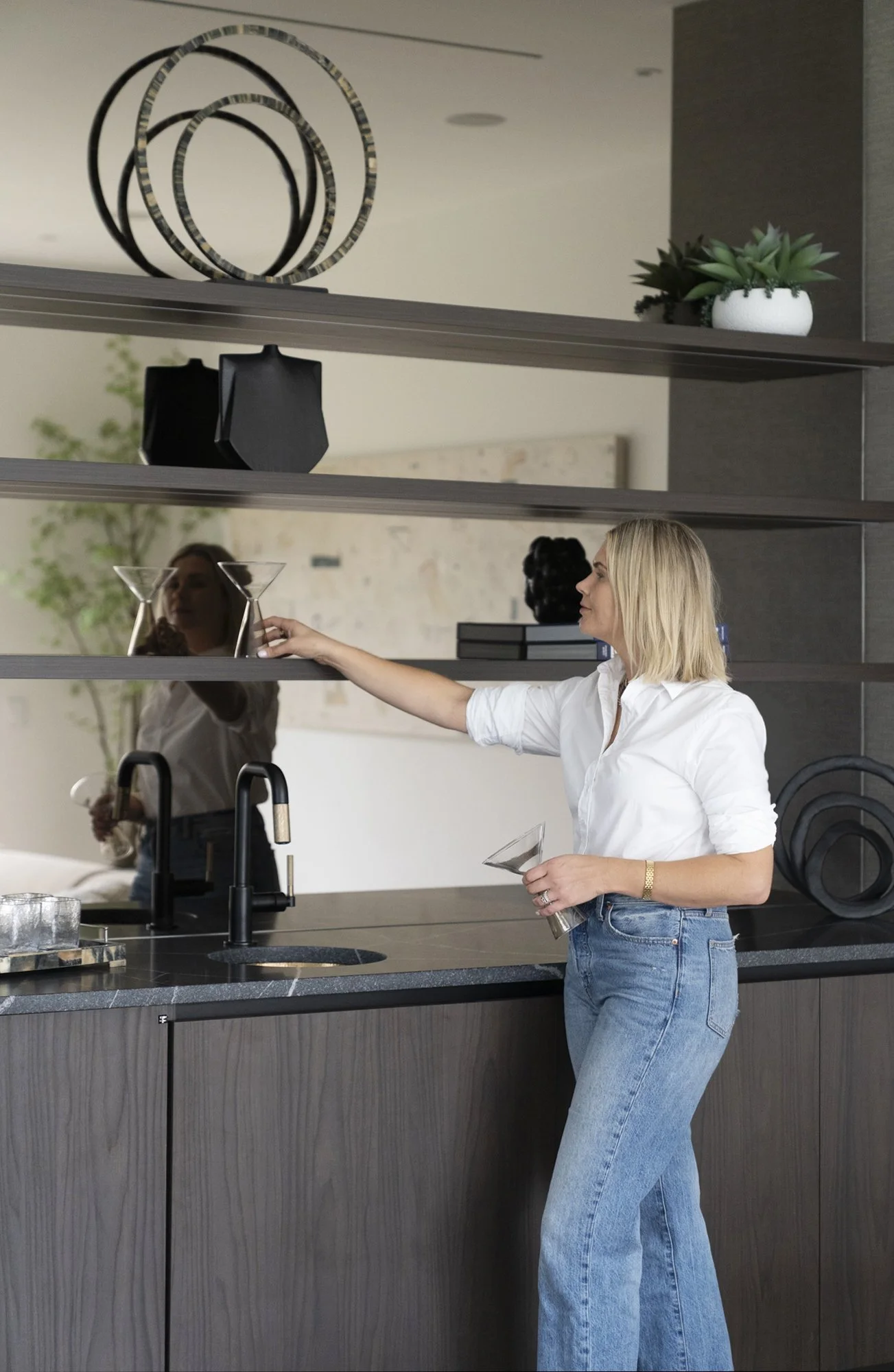
We don't consider ourselves staging designers. We think of ourselves as marketing and branding strategists for your home — because that's really what this work is. Before a listing photo ever gets taken, we're asking the same questions a brand strategist would ask: how should this feel, who is it actually for, and what story does it need to tell to convert the right buyer.
For this home, that meant starting with the questions that actually matter: Who walks into this house and pictures their life there? Where does the eye go first, and what does it need to see to believe this is home?
Every piece is selected with purpose. Every room is considered. And every property gets an approach that feels entirely its own.
That's the part of home staging buyers respond to, even when they can't name it. It's not "does this look nice." It's "can I see myself here." Those are two very different questions, and only one of them sells a house.
What We Have Seen Happen

An unstaged listing doesn't fail all at once. It sits for a few extra weeks. Then a reduction. Then it sits again, because the reduction alone didn't fix the actual problem — buyers still can't picture themselves there. Then another cut. By the time it sells, the seller has paid for the shortfall in staging several times over, just spread out and disguised as “the market.”
We've watched that pattern enough times to know it's not about the house. It's about what the house was asked to do without any help — sell itself, cold, to a buyer who needed to be shown something it wasn't showing.
The Compounding Cost
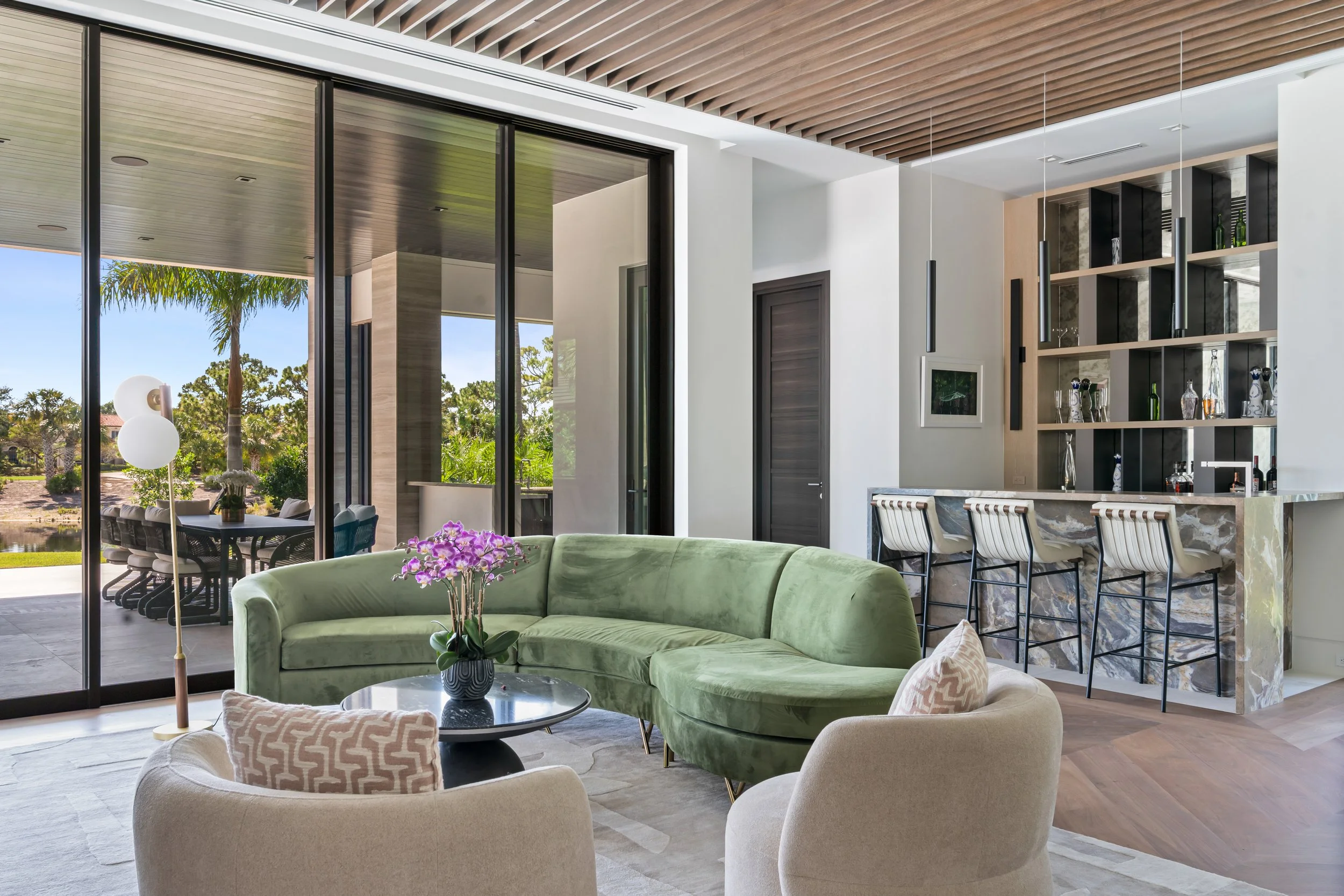
Every reduction resets more than the price. It resets buyer perception. A home that's been on the market for more than 90 days with two price cuts is read differently than the same home on day one — regardless of what's actually inside it. Staging front-loads the investment instead of letting the market chip away at it, reduction by reduction, each one a little more expensive than the last in ways that don't show up on a spreadsheet.
Protecting Price, Not Spending on Decoration
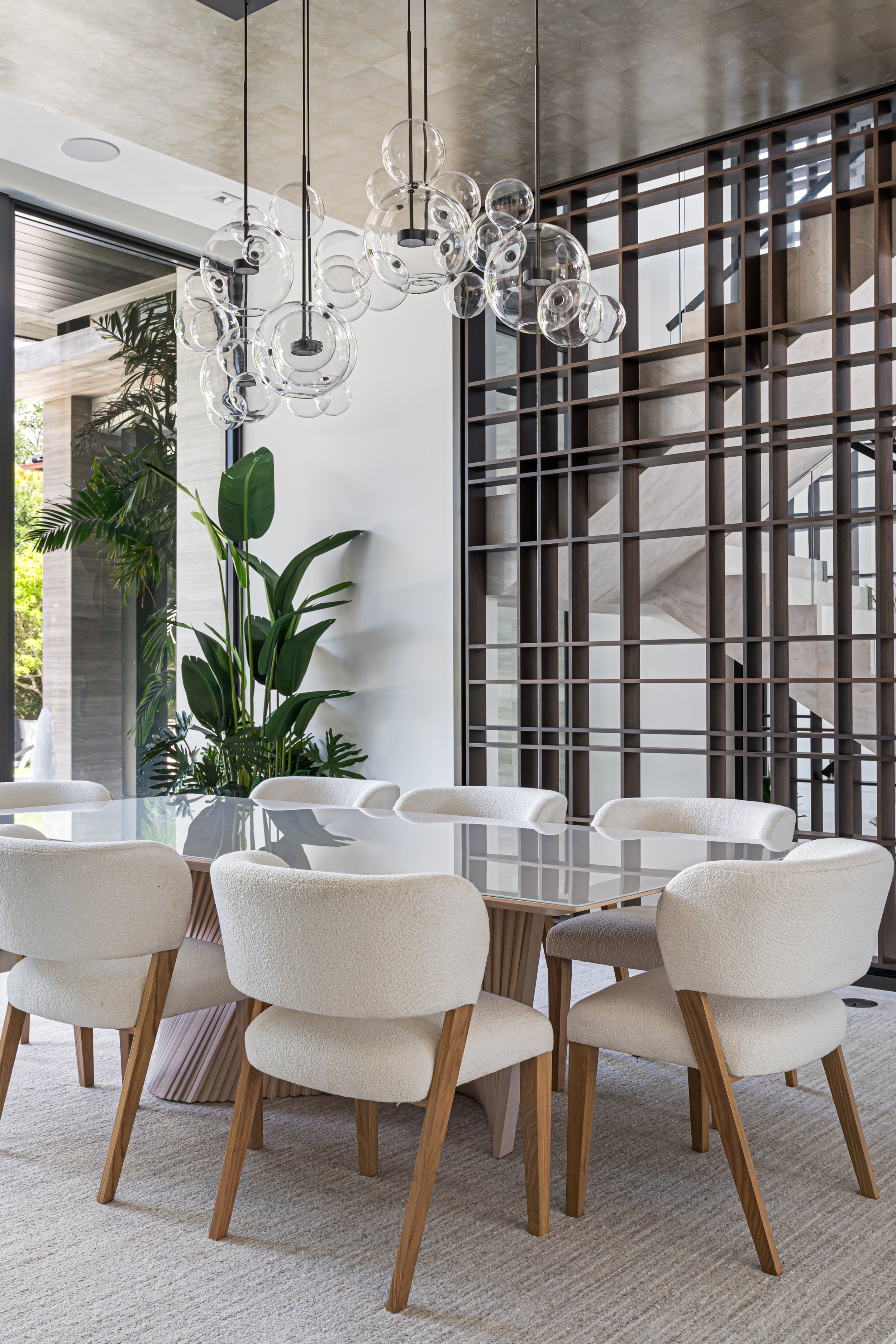
This is the distinction we keep coming back to: staging isn't decoration, and it was never meant to be judged like decoration. It's strategy, the same discipline a brand strategist brings to a launch, applied to a property instead of a product. Every choice, from furniture placement to what gets left out of a room entirely, is made to protect the number on the listing, not just to make it look nice for photos.
That's the part sellers underestimate going in and appreciate most coming out the other side: staging isn't an expense competing with your equity. It's what stands between your asking price and the first concession you didn't plan on making.

The conversation worth having isn't “can we afford to stage this.” It's “can we afford not to”, because the alternative isn't doing nothing, it's paying for it later, in reductions instead of upfront, in a story about the listing you didn't get to write.
If you're getting ready to list, this is the conversation to have before the first price cut, not after it.
Contact us and we'll walk through your specific situation, your timeline, and your goals.
Explore our Interior Design services and Luxury Home Staging services to see examples of each in action.