

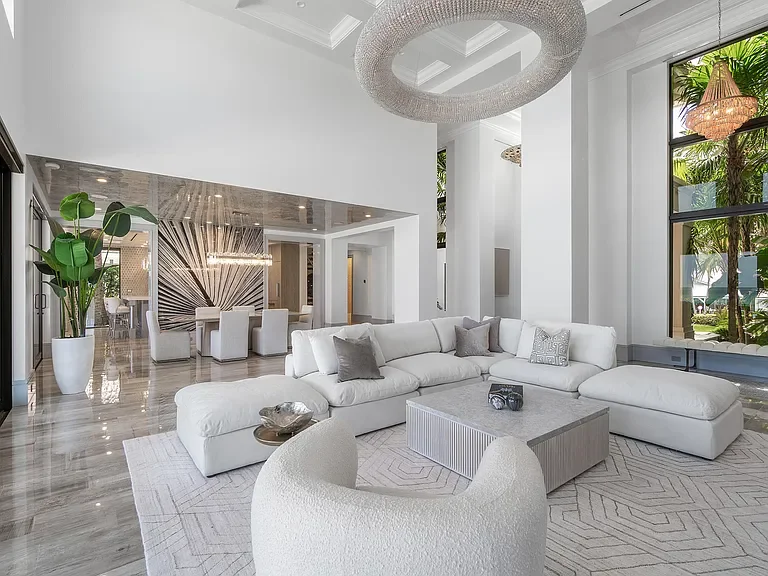
An empty home asks a lot of a buyer. With no furniture to anchor a room, they cannot tell where the sofa goes, whether the dining area seats eight, or if the primary bedroom is generous or tight. Empty rooms photograph smaller, feel colder and read as unfinished, and a buyer who cannot picture their life in a home moves on to the next listing.
As the market heats back up this fall, the homes that move quickly are rarely the ones with the biggest price cuts. They are the ones that were prepared with intention. At REH Interiors, we stage vacant homes every day, and we walk each one the way a buyer does: street first, then the entry, then the rooms that decide the sale. This checklist follows that same path.
Set the Story
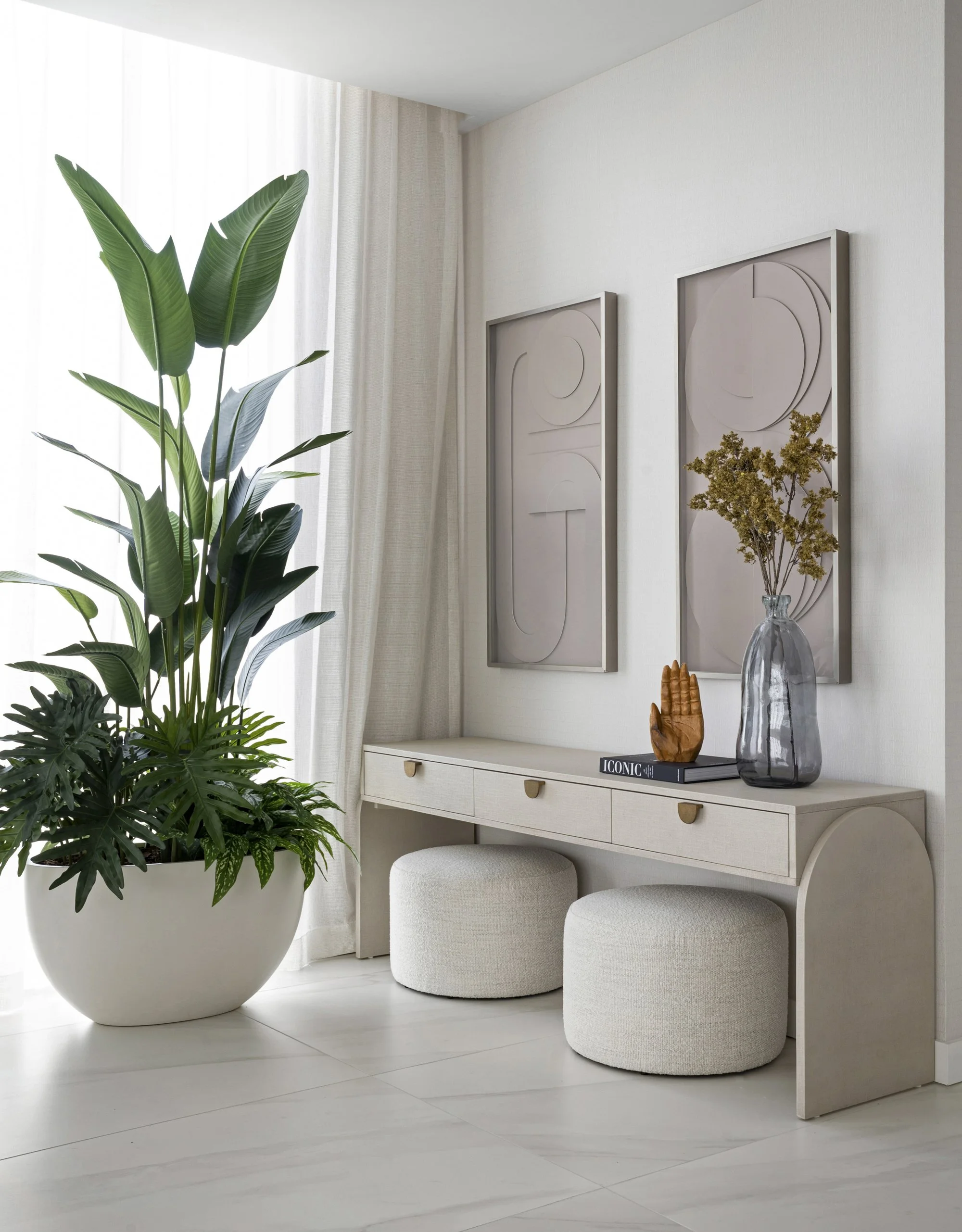
In a vacant home, the entry is a blank canvas, and buyers notice the echo as much as the floor plan. Walking into a bare foyer, they have nothing to measure the room against and no cue for how the home is meant to live. A styled console changes that in seconds. Layer it with a lamp for warmth, a mirror or art to draw the eye up, a tray of curated accessories and a touch of greenery, and the entry begins to tell a story about how the rest of the home will feel. Add a runner or a stool if the footprint allows, and let the lighting stay warm and inviting. It is the smallest staging decision with the largest first impression, and it sets the tone for every room buyers see next.
Light, Scale and Flow
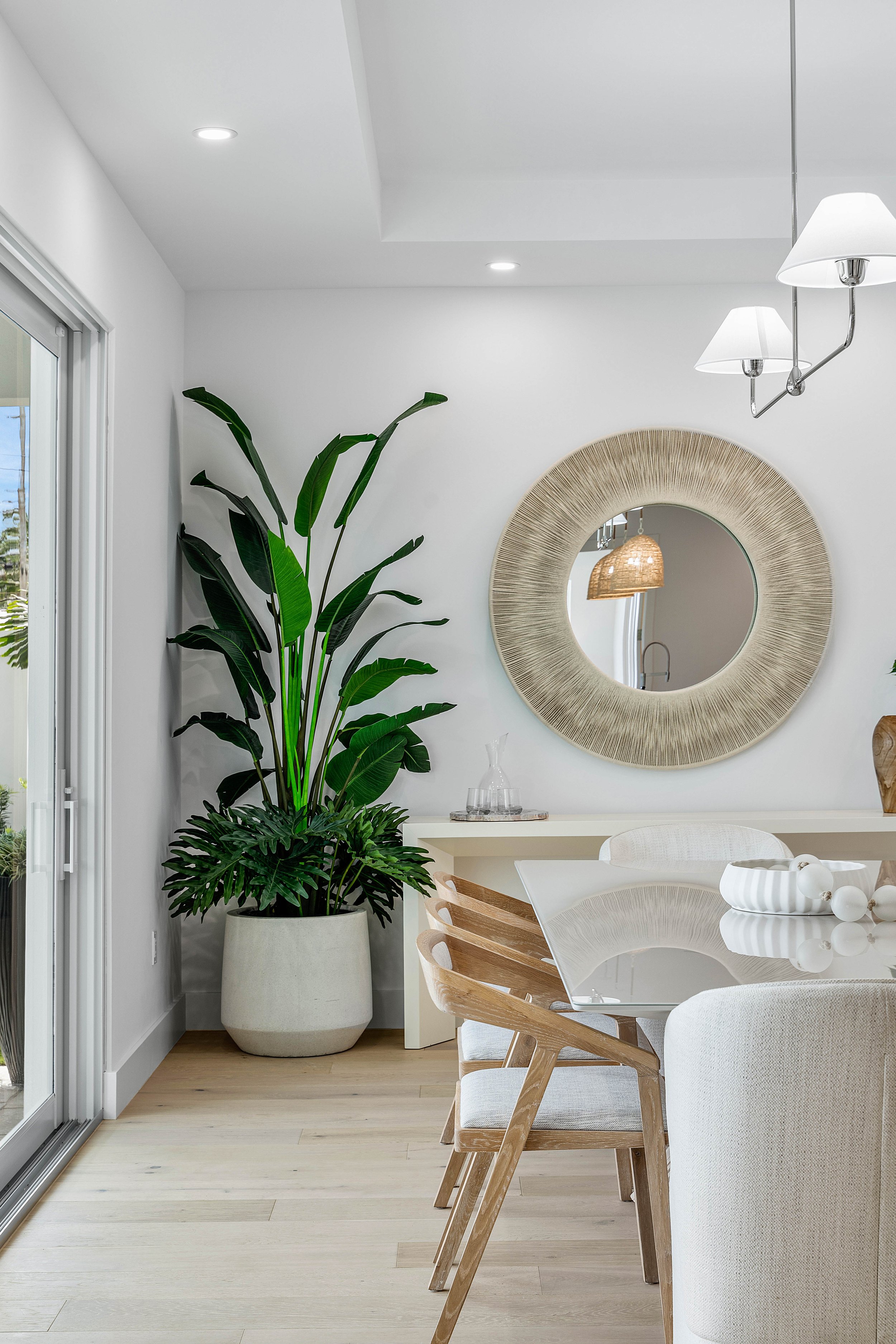
South Florida homes sell on natural light and views. Open every blind, clean the windows and replace dim or mismatched bulbs so each room reads bright and consistent.
Then look at scale. Empty rooms make buyers guess at dimensions, and guesses tend to run small. Right-sized furniture gives them a visual measuring stick, so a room feels as large as it truly is. Keep clear walking paths in every room, since flow tells buyers the home lives well.
Give Every Room a Purpose
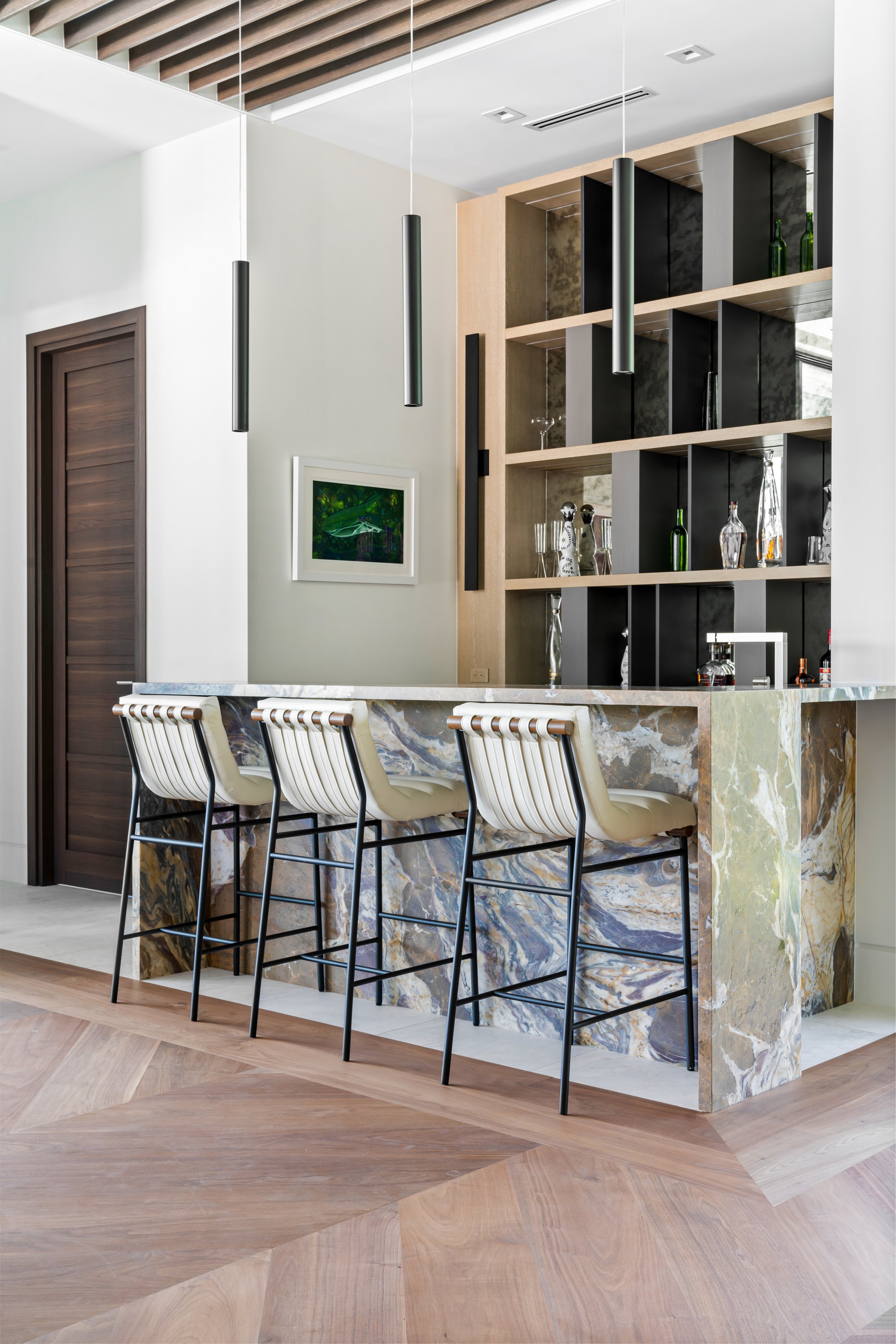
The most common problem in a vacant listing is the room with no job. A bonus room, a nook or a loft is just an empty corner until it is a home office, a reading lounge or a guest retreat. Staging answers the question buyers are quietly asking in every room: what would I do here?
Living room: Arrange seating around the focal point, whether that is the view, the fireplace or the architecture, and layer in texture with a cohesive palette.
Dining area: A set table and the right-sized furniture prove the room can host.
Kitchen: Keep counters clear apart from a few intentional pieces, such as a bowl of fruit or a cutting board, so buyers can imagine their own routines.
Extend the Story Outdoors
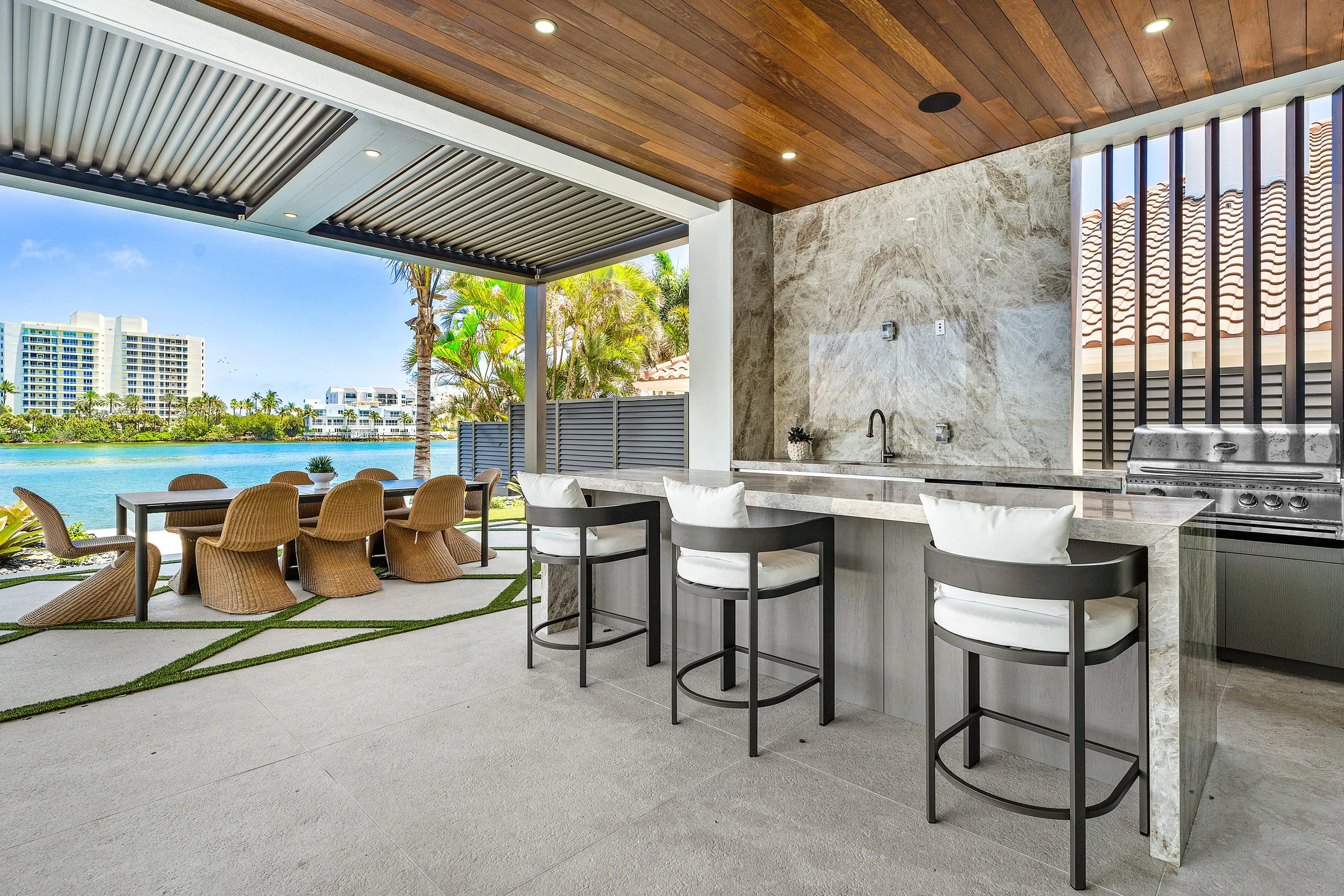
In South Florida, the lanai, patio and pool deck are living areas. Stage them like any other room with an outdoor seating group, a dining set and greenery, so buyers see the indoor-outdoor lifestyle they are shopping for.
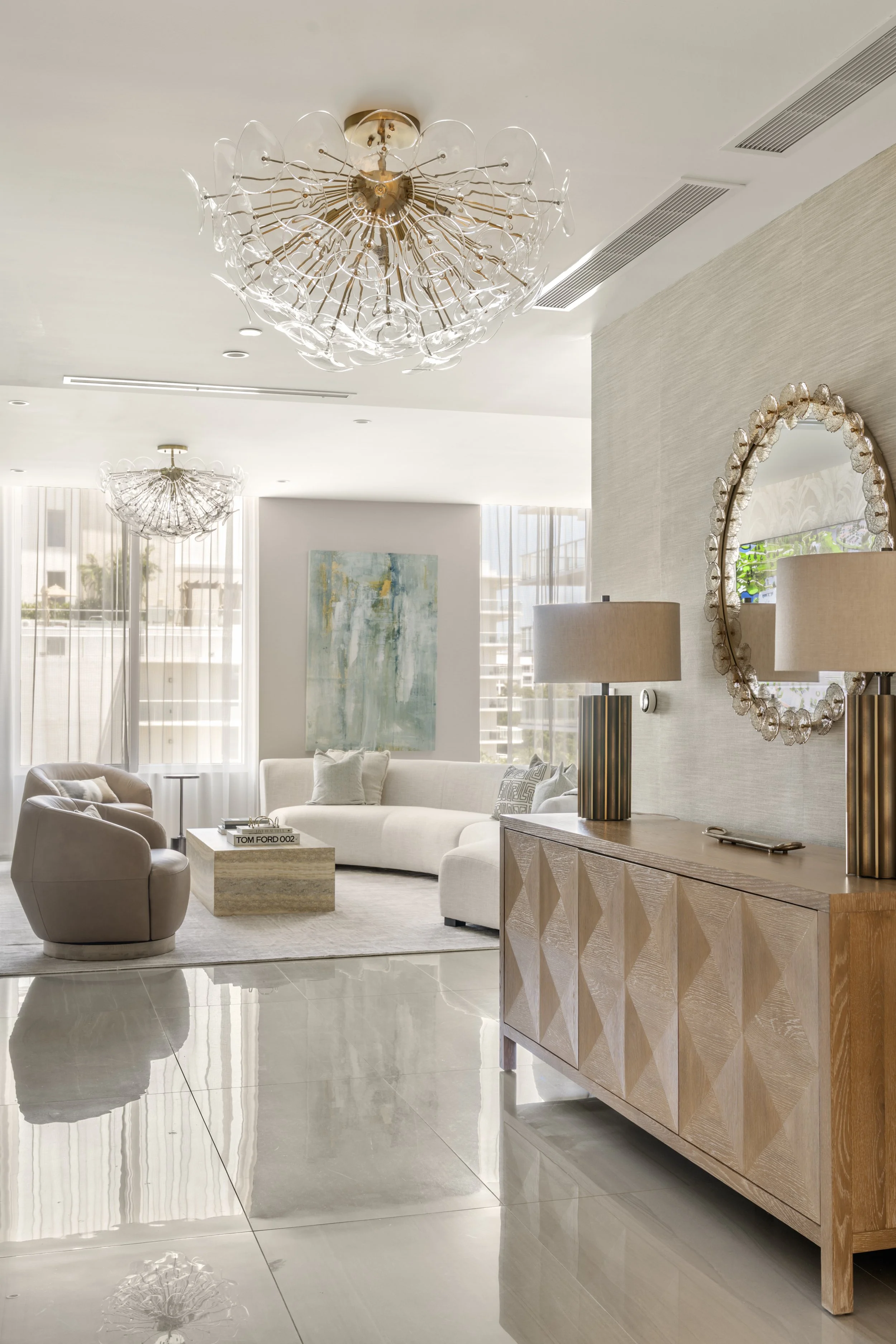
A checklist tells you what to fix. Staging tells buyers what to feel. It is a merchandising decision: presenting your home so the right buyer connects with it quickly, in the listing photos and at the showing. When the home looks finished, buyers spend less time doubting it and more time imagining themselves in it, which is also why staging can cost less than a price reduction.
REH Interiors takes care of every step of the process, from the first walk-through and furniture selection to delivery, installation and the final styled result. As merchandising and marketing experts for your property, our goal is a home that is photo-ready and showing-ready from the day it lists.
Preparing a vacant listing? Schedule a consultation with REH Interiors, and we will walk the home with you, room by room.
Contact us and we'll walk through your specific situation, your timeline, and your goals.
Explore our Interior Design services and Luxury Home Staging services to see examples of each in action.